> For the complete documentation index, see [llms.txt](https://academy.decisionrules.io/llms.txt). Markdown versions of documentation pages are available by appending `.md` to page URLs; this page is available as [Markdown](https://academy.decisionrules.io/spaces/users-in-spaces/roles.md).
# Roles
Manage access and permissions for users within the space
Use Roles to assign specific permissions to the users invited to your space.
{% hint style="warning" %}
If you are using an Organization, the management of access and precise roles is handled in the Organizations' settings, not in this Space menu.
{% endhint %}
There are two ways to assign roles within the Space menu, you can either create a new custom role for the user or use one of our predefined roles. In addition, when creating new roles, you can use the predefined roles as templates that you copy to modify just a part of the permissions. See below for more details on the two types of role.
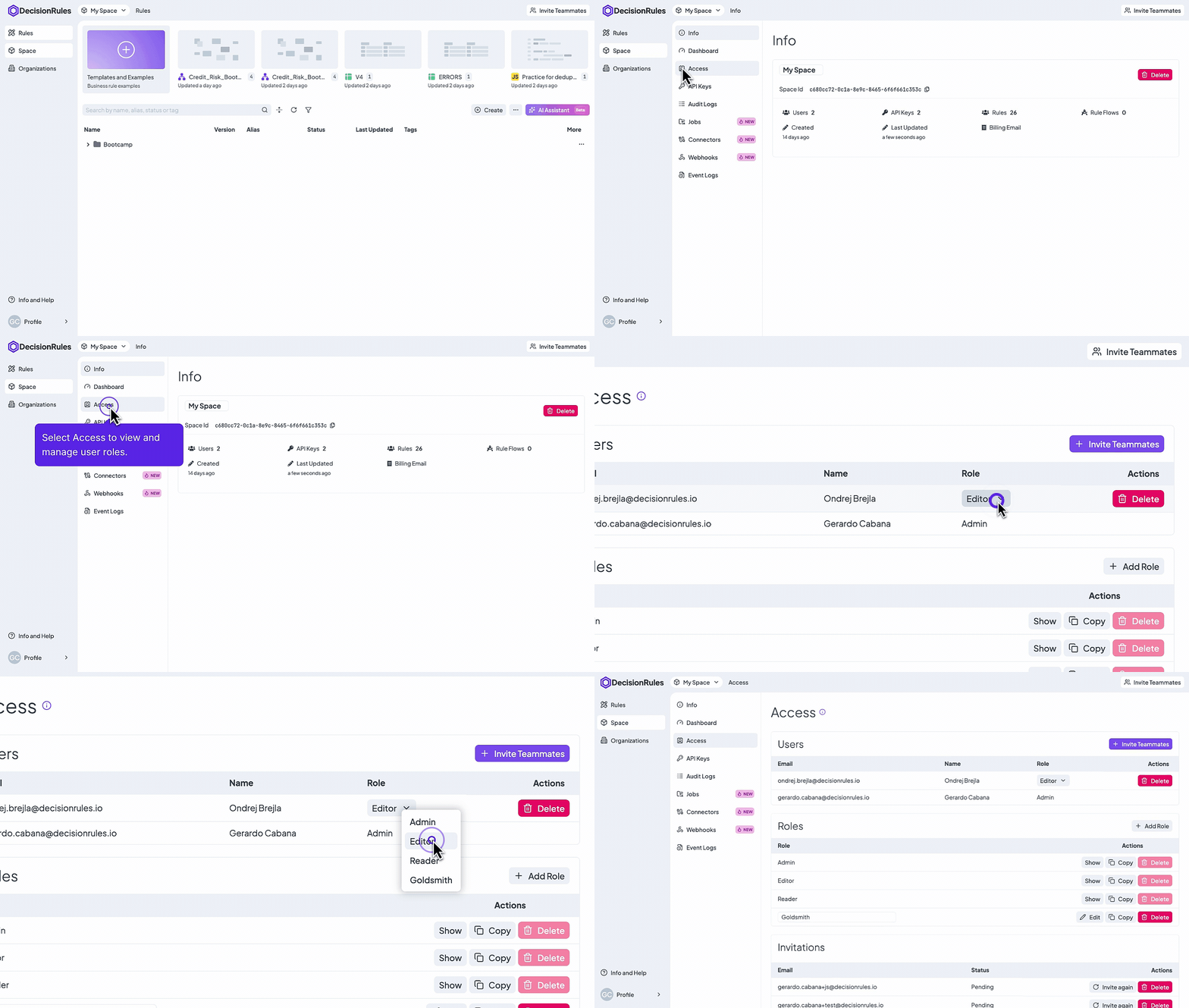
You can find role settings and assignment of roles under "Access" in the left sidebar menu of your Space settings.
Access Roles from the side menu
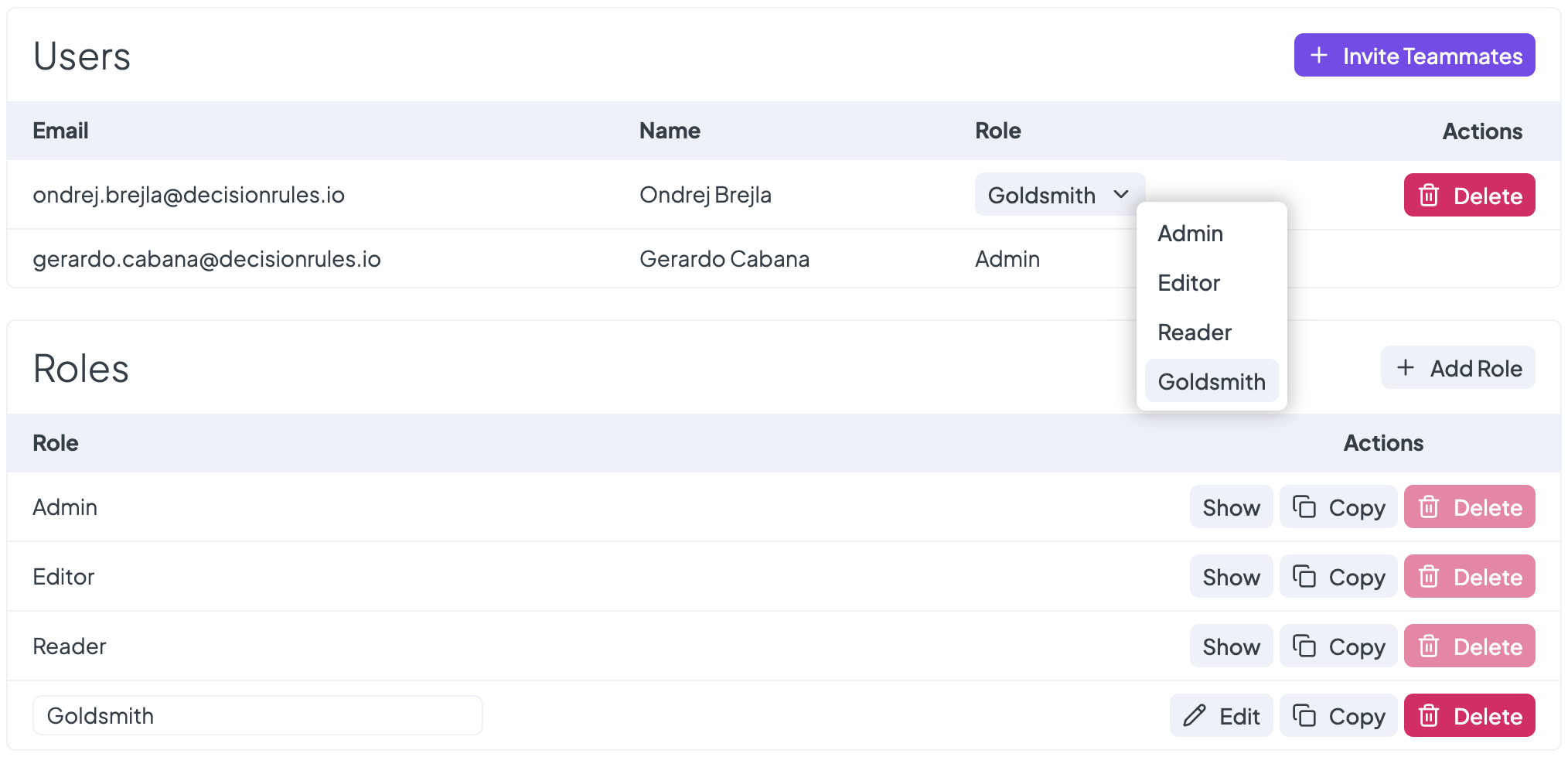
By assigning a role, you determine how individual users can interact with your space, your decision rules and other features. To assign a role to a user click on the 'Role' dropdown list next to the user’s name.
{% hint style="info" %}
*You can not change the role of the space owner*
{% endhint %}
## Predefined roles
A user with the Admin role is allowed to perform all activities in the space and has access to all rules and features. The Editor has the same rights as the Admin except for setting up the space, managing users, and deleting API Keys. Reader is allowed to just view the data and settings in each feature.
## Creating a new role
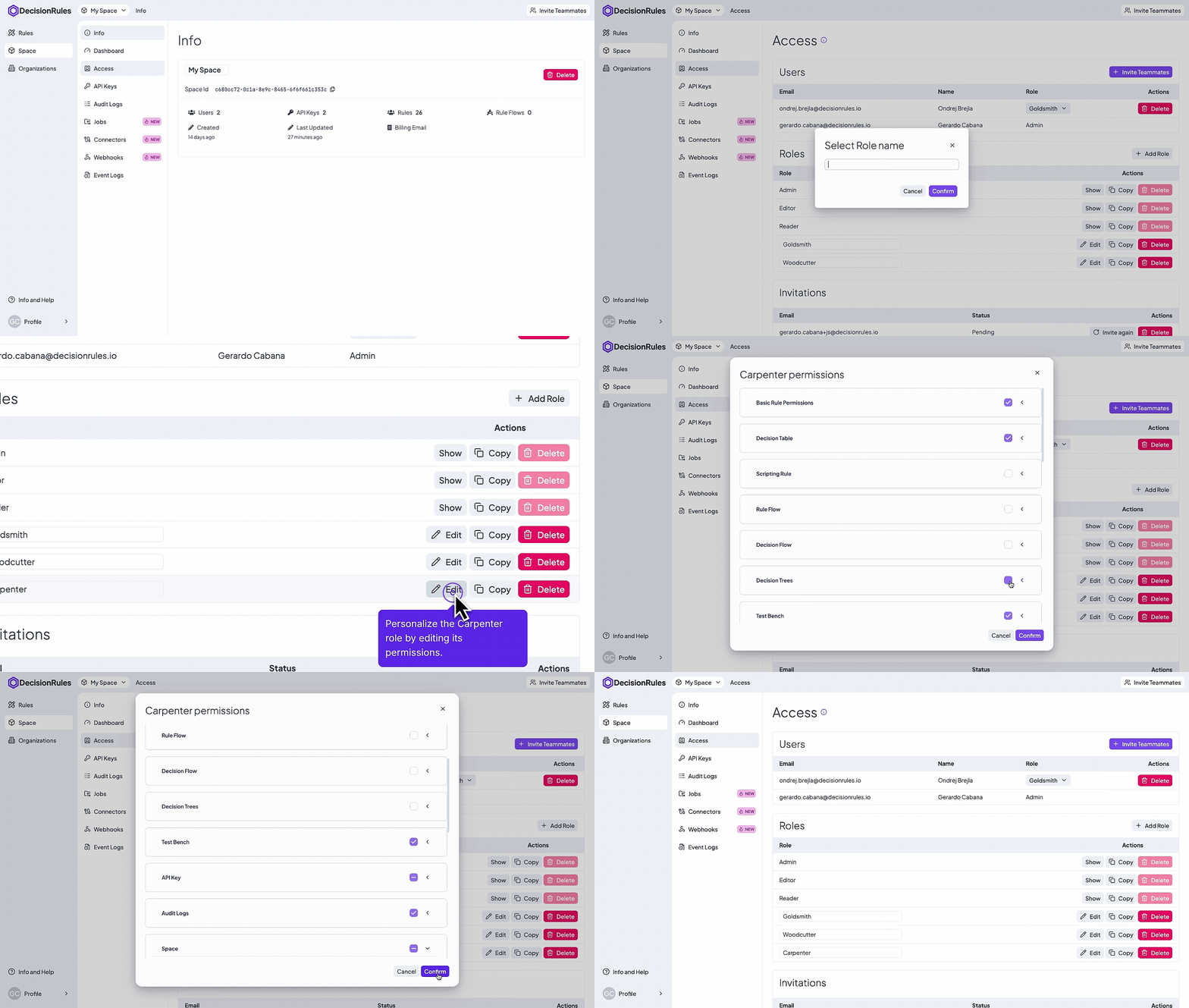
As mentioned, you can create new user roles for your project. You can create them in two ways. You can also edit the permissions of these roles at any time.
One way is by copying one of our predefined roles, where you can modify part of the permissions. In the example below, a new role similar to the Editor will be created, but the user will only be able to work with decision table rules.
Creating a role from a template
The other way is to create a completely new role where you customize the permissions as needed. For example, you can create a new role where the user is only allowed to work with Decision Trees, plus they can change the space settings.
Creating a role from scratch
If you no longer need them, you can delete any roles except the predefined ones. Click the  button next to the selected role and confirm to delete the role.
.gif?alt=media&token=0a8b12d2-4bdd-48eb-ba16-30031e38950b)